

As we come to the final post in this series, we’re focusing on a universal need that quietly shapes how children see themselves and how they show up in the world: Esteem.
Esteem is your child’s need to feel capable, confident, and valued for who they are... not just for what they achieve.
At its heart, healthy self-esteem grows from experiences that tell a child:
“I can do things.”
“I can learn.”
“I can make mistakes and still be loved.”
When children believe these truths, they’re more willing to try, to stretch, and to persevere. When they don’t, their behavior begins to tell a different story.
When Confidence Feels Out of Reach
When esteem needs are unmet or still developing, you may notice behaviors like:
- Giving up quickly
- Avoiding challenges
- Meltdowns during homework
- Perfectionism
- “I can’t!” or “You do it!”
- Defiance that hides embarrassment
- Sibling jealousy
- Acting like they don’t care when they really do
These moments can be frustrating, especially when you know your child is capable. But here’s an important reframe:
Your child isn’t trying to frustrate you.
They’re trying to protect their sense of worth.
If something feels too hard, too risky, or too exposing, avoidance can feel safer than trying and failing.
When Esteem Struggles Go Quiet
Not all confidence struggles are loud. Some children internalize them.
You might see:
- Quiet shutdowns
- Hiding mistakes
- Shame-filled words like “I’m stupid” or “I’m bad”
These are tender moments. Beneath them is a child saying:
“I want to feel capable, but I don’t yet believe I can.”
A Compassionate Mindset Shift
Esteem needs invite us to gently shift our perspective.
Instead of “They’re being lazy,”
Try “They’re feeling discouraged.”
Instead of “They’re being dramatic,”
Try “They’re overwhelmed.”
Instead of “They don’t care,”
Try “They don’t feel confident yet.”
This doesn’t mean lowering expectations or rescuing children from every hard thing. It means remembering that your role is not to do it for them, but to walk beside them while they learn they can do hard things.
Building Confidence, One Small Win at a Time
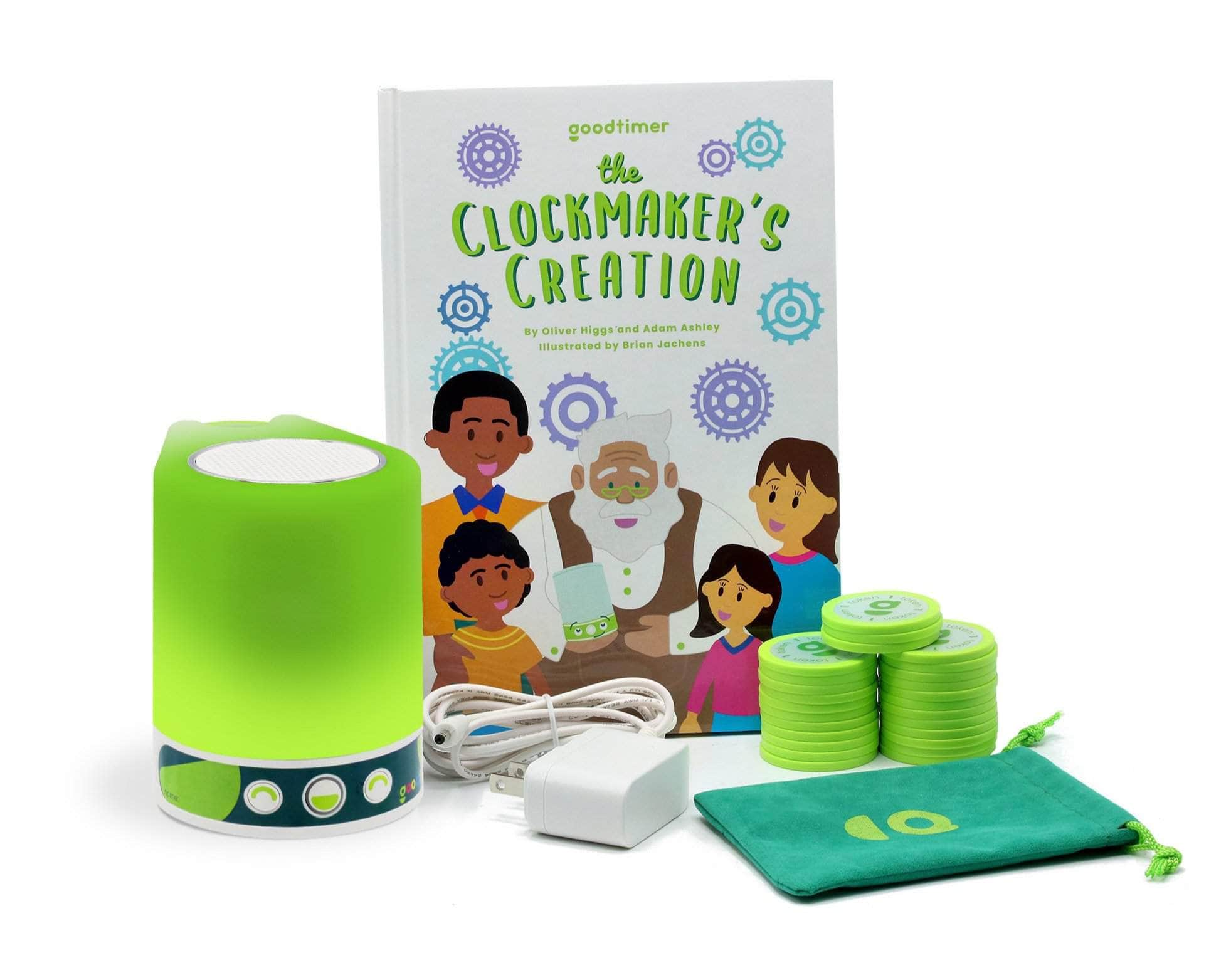
Inside the Goodtimer app, you’ll find strategies that support the process of breaking tasks into manageable steps, celebrating effort over outcome, and helping children experience success in ways that feel attainable.
These small wins matter more than we often realize. Over time, they create a powerful cycle:
Confidence → competence → confidence
Each step forward builds the belief that “I can.”
Growing, Not Perfect
Your child doesn’t need to be perfect.
- They don’t need to get it right every time.
- They need to know they are capable.
- They need to know they are supported.
- They need to know they are growing.
As we close this series, remember: when you look beneath behavior and meet the need (physical, safety, belonging, or esteem) you’re giving your child something far more powerful than correction.
You’re giving them understanding.
And that is where resilience begins. 💛







Leave a comment