

How clinical research is helping shape the future of Goodtimer
When creating Goodtimer, we set out to create a comprehensive platform that helps families work together to promote healthy habits that last. We knew that in order for it to be truly effective the platform needed to be grounded in proven neuro-science, practical enough to use every day, and developed alongside the people who have dedicated their careers to understanding how children learn and grow. That belief has guided Goodtimer from the very beginning.
Today, I'm excited to officially share the story of our collaboration with Dr. Camilo Ortiz and Dr. Morgan Weinstein to independently evaluate Goodtimer through clinical research. Their work has played an important role in the evolution of our platform and our commitment to building parenting solutions grounded in evidence-based behavioral science.
For us, this collaboration represents something much bigger than a single research study. It's part of our long-term commitment to building parenting technology that is informed by evidence.
Why Research Matters
Every year, countless new parenting products promise to make raising children easier, but few are developed or evaluated using independent research. From the very beginning, we've wanted Goodtimer to be different. We never set out to replace great parenting, we set out to make proven, evidence-based parenting strategies easier for families to use consistently in their everyday lives.
That meant inviting researchers to critically evaluate our product, even if the results highlighted opportunities to improve it. Innovation only matters if it actually helps families.
Meet Dr. Camilo Ortiz
Our commitment to building Goodtimer on a foundation of evidence-based behavioral science has also given us the opportunity to collaborate with some incredible researchers. One of those collaborators is Dr. Camilo Ortiz, whose work has focused on helping children and families through evidence-based behavioral therapies.
Dr. Ortiz is a board-certified cognitive and behavioral psychologist, tenured Associate Professor of Psychology at Long Island University, faculty member at New York University, Clinical Director of the Open Therapy Institute, and Fellow at the Archbridge Institute's Human Flourishing Lab.
|
His research focuses on child anxiety, disruptive behavior, behavioral parent training, and cognitive behavioral therapy. He is also the co-developer of Independence Therapy, an innovative approach that helps children overcome anxiety by gradually building confidence through increasing independence. Throughout his career, Dr. Ortiz has emphasized helping parents develop practical skills grounded in behavioral science, a philosophy that aligns closely with our vision for Goodtimer. |
 |
Why This Research Was Needed
Behavioral Parent Training (BPT) is widely recognized as one of the most effective evidence-based approaches for reducing disruptive behaviors in children. Programs such as Parent-Child Interaction Therapy (PCIT), Triple P, The Incredible Years, and Helping the Noncompliant Child all share common principles rooted in positive reinforcement, consistent consequences, and improving parent-child interactions.
The challenge isn't whether these approaches work. It's that many families struggle to access them. The dissertation highlights several barriers:
- Limited access to trained providers, particularly in rural areas
- High costs associated with therapy
- Busy family schedules
- High dropout rates from Behavioral Parent Training
- Parents who find traditional behavior management systems difficult to implement consistently at home
Those challenges were one of the motivations behind Goodtimer. We wanted to explore whether technology could help make evidence-based parenting strategies easier to use in everyday family life.
How Goodtimer Fits Into Behavioral Parent Training
One of the central components of Behavioral Parent Training is contingency management: using immediate, consistent positive reinforcement to encourage desirable behaviors while providing predictable consequences for disruptive behaviors.
Goodtimer was designed around those same principles. Rather than expecting parents to manually track behavior, manage token systems, and remember every reinforcement opportunity, Goodtimer simplifies the process.
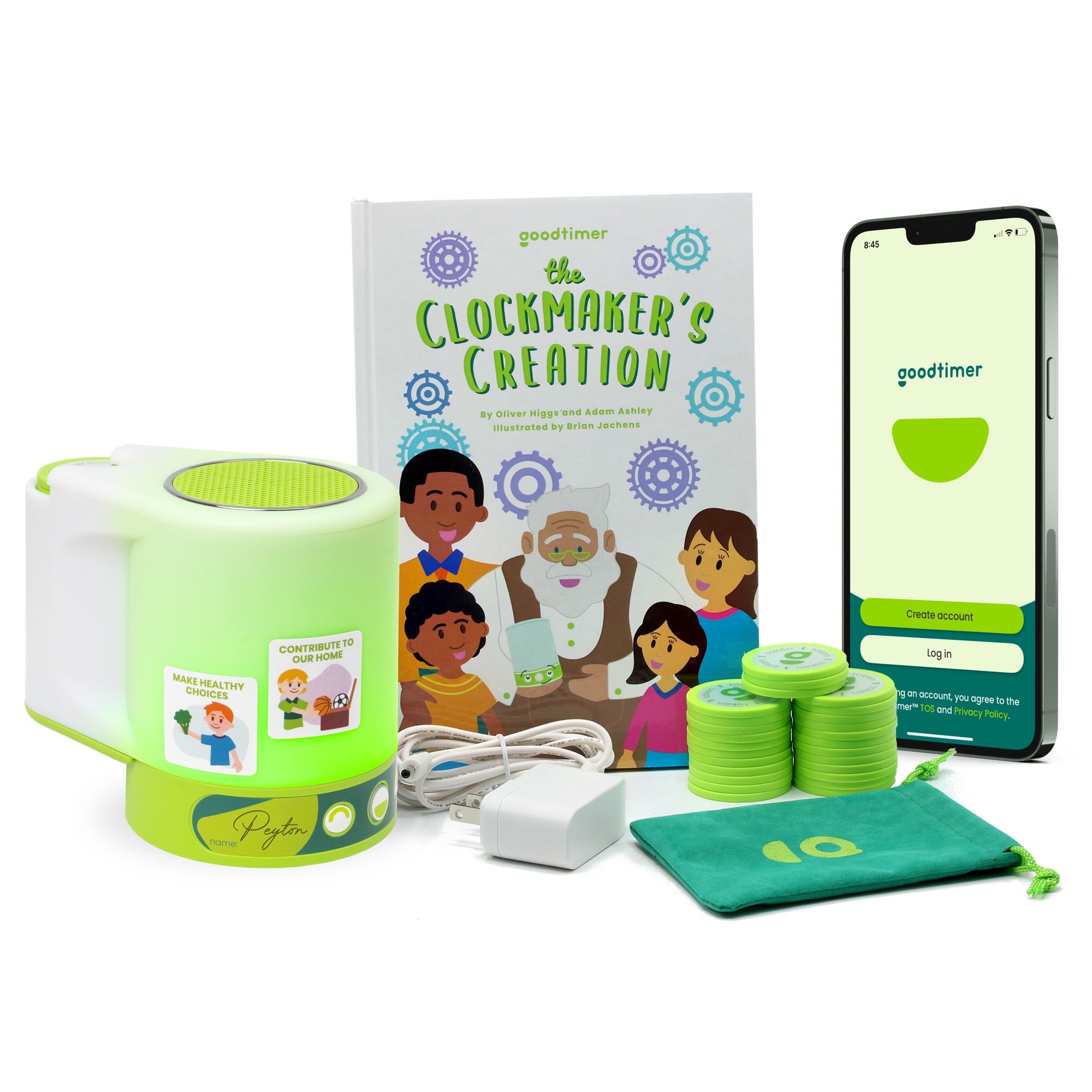
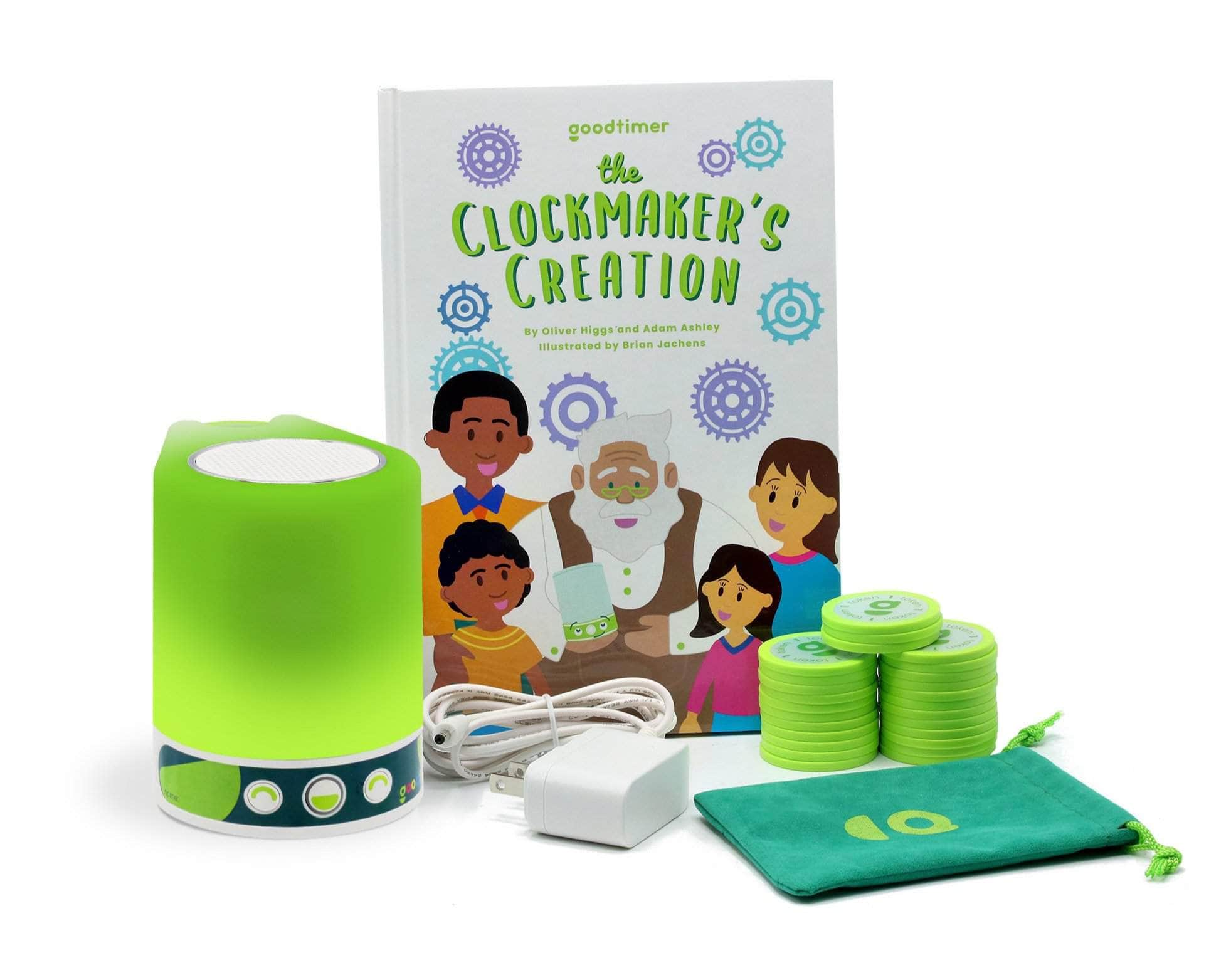
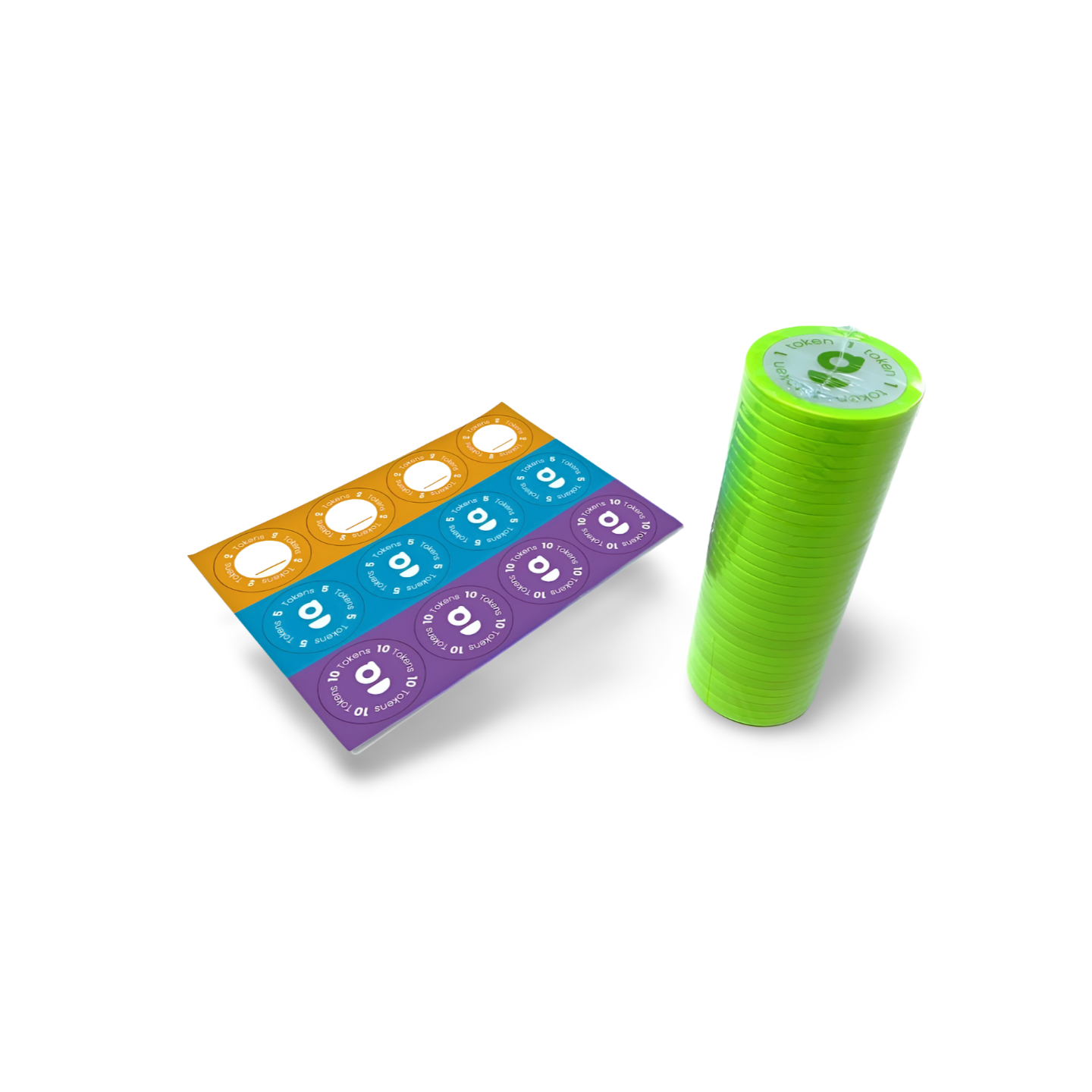
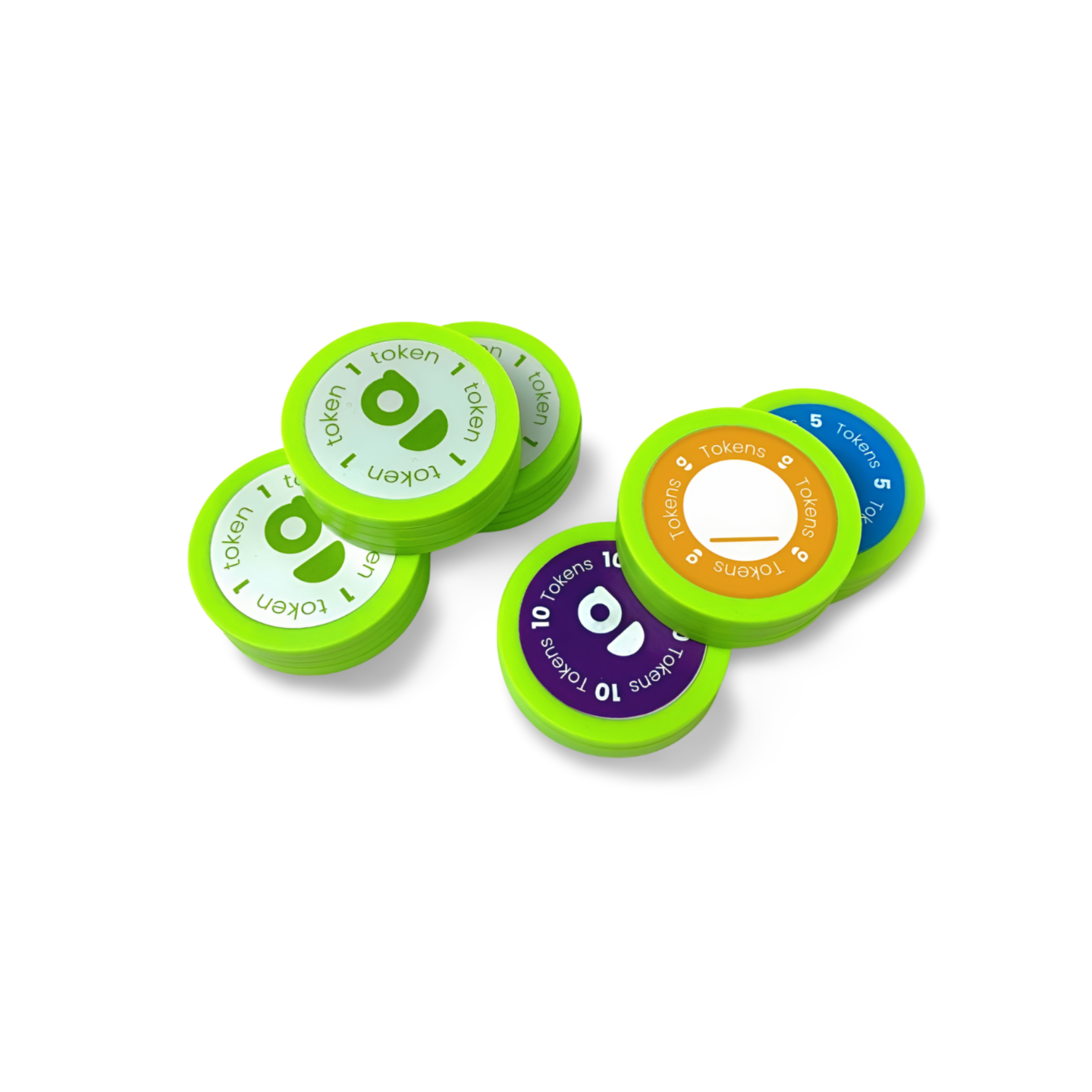
Children receive immediate visual feedback through the device's growing green light, tangible rewards through earned tokens, and consistent consequences when the device is paused following disruptive behavior. The goal is to make positive reinforcement more immediate, more engaging, and easier for families to implement consistently.
Turning Research Into Better Parenting Tools
The research itself was led by doctoral candidate Dr. Morgan Weinstein as part of her doctoral dissertation under the supervision of Dr. Camilo Ortiz and Dr. Hilary Vidair.
|
Since completing the study and earning her doctorate, Dr. Weinstein has joined Dr. Ortiz at Cognitive Behavioral Associates, where she continues helping children and families through evidence-based clinical practice. Her dissertation, Goodtimer for Good Behavior: A Nonconcurrent Multiple Baseline Examination of a Behavioral Device Intervention to Reduce Child Misbehaviors, is now published through Long Island University's Digital Commons. |
 |
What the Study Found
The study evaluated six families with children between the ages of three and nine using a nonconcurrent multiple baseline design. Overall, the findings were encouraging. Most participating families experienced meaningful reductions in the frequency of disruptive behaviors, and parents consistently reported that Goodtimer made evidence-based behavior management strategies easier to implement at home.
As the researchers concluded:
"These results underscore the potential of integrating technology into behavior management strategies, offering a cost-effective, real-time solution for families."
Parents particularly appreciated the immediate feedback provided by the device, noting that the growing green light made behavioral progress visible and tangible for their children. Many also reported that the visual representation of progress served as a powerful motivator, helping children stay engaged in earning "Good Time" through positive behavior.
Like any well-designed research study, the dissertation also identified opportunities for improvement. Researchers noted that setup complexity and portability presented challenges for some participating families and recommended additional research with larger and more diverse populations, along with continued refinement of the device's usability. We view that feedback as an important part of the innovation process. Independent research isn't just about confirming what's working, it's about identifying opportunities to make Goodtimer even better for the families we serve.
Research Is Only One Piece of the Puzzle
Our partnership with Long Island University complements another collaboration we're incredibly proud of, our partnership with Starr Commonwealth. While the Long Island University research focuses on evaluating Goodtimer through independent clinical research, Starr Commonwealth helps transform decades of trauma-informed expertise into practical parenting resources that families can use every day.
Together, these partnerships represent two sides of the same mission:
- Research that helps us understand what works.
- Educational resources that help families apply those principles at home.
If you haven't already, I encourage you to explore our Starr Commonwealth Parenting Resource Library (see links below), where you'll find articles and short educational videos focused on understanding challenging behaviors, building resilience, and strengthening parent-child relationships.
Looking Ahead
This research is an important milestone, but it's only the beginning. As Goodtimer continues to evolve, we hope to expand our collaborations with universities, clinicians, educators, and behavioral health organizations that share our commitment to helping children thrive.
We're incredibly grateful to Dr. Camilo Ortiz, Dr. Morgan Weinstein, Dr. Hilary Vidair, and the Department of Psychology at Long Island University for their partnership and for their willingness to rigorously evaluate our work.
The best products aren't built in isolation. They're built through collaboration, curiosity, and a willingness to continually learn. That's exactly the future we're building at Plus Up.
Learn More
- Read the published Long Island University dissertation: Goodtimer for Good Behavior: A Nonconcurrent Multiple Baseline Examination of a Behavioral Device Intervention to Reduce Child Misbehaviors.
- Explore our Starr Commonwealth Parenting Resource Library for evidence-informed articles and videos designed to help parents better understand challenging behaviors.

Leave a comment